
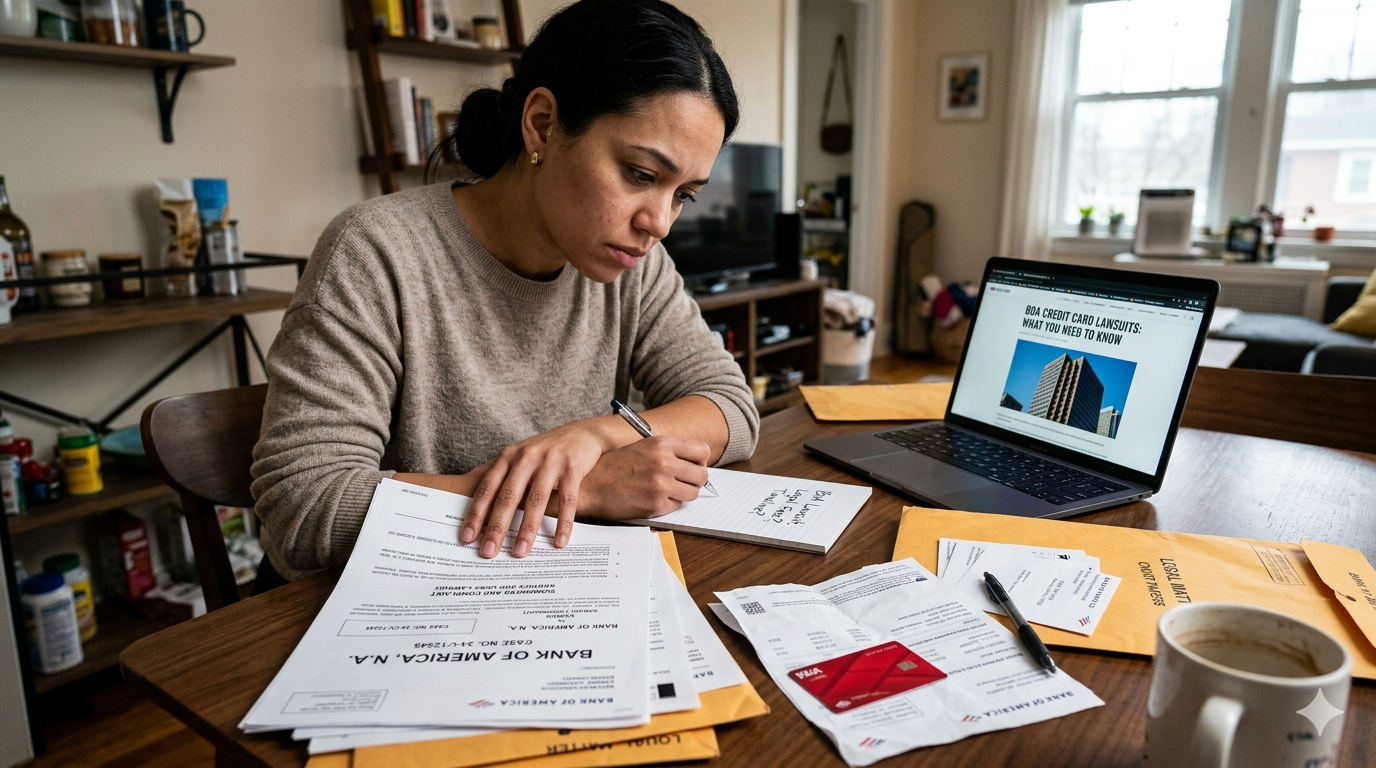
Receiving calls from debt collectors can be stressful, especially when they contact your workplace or family members about unpaid debts. You may worry about your privacy, reputation, and whether these calls could affect your employment or personal relationships.
If you live in Florida, you have legal protections against certain debt collection practices. Both federal law and the Florida Consumer Collection Practices Act (FCCPA) restrict how debt collectors may communicate with consumers and third parties.
Generally, debt collectors cannot disclose your debt to your employer, friends, or other family members simply to pressure you into paying. However, limited exceptions may apply, depending on who is contacting you, why they are contacting the third party, and the circumstances of the debt.
This guide explains when debt collectors can contact your employer or family in Florida, what conduct may violate the law, and what steps you can take if you believe your rights have been violated.
Can Debt Collectors Contact Your Employer in Florida?
Florida law places restrictions on debt collectors who communicate with a debtor’s employer.
Under Florida Statutes Section 559.72(4), a person collecting a consumer debt generally cannot communicate or threaten to communicate with your employer before obtaining a final judgment against you unless you have given written permission or acknowledged the debt in writing after it was placed for collection.
This means that contacting your employer about a debt may raise legal concerns, particularly if the collector is attempting to pressure you into paying or disclose private financial information.
However, the details matter. A collector’s communication with an employer is not automatically unlawful in every situation, and different rules may apply depending on the purpose of the contact and the circumstances.
The federal Fair Debt Collection Practices Act (FDCPA) also restricts third-party debt collectors from discussing your debt with your employer. In limited circumstances, a collector may contact third parties to obtain location information, such as your address, telephone number, or workplace.
You can review the official Florida Statutes, Section 559.72 for more information about prohibited debt collection practices.
Can Debt Collectors Tell Your Family About Your Debt?
Debt collectors generally cannot disclose your debt to family members simply to embarrass you, pressure you, or encourage someone else to pay it.
Under federal law, third-party debt collectors generally may contact other people only for limited purposes, such as obtaining location information. They usually cannot tell your relatives that you owe money or discuss the details of your account.
There are limited exceptions. For example, federal law treats a consumer’s spouse differently from other third parties. Special rules also apply to parents of minor consumers and certain legally authorized representatives.
Florida law provides additional protections against certain disclosures. Section 559.72(5) addresses disclosing information affecting a debtor’s reputation when the collector knows or has reason to know that the recipient has no legitimate business need for the information or that the information is false.
If a collector contacts your parents, siblings, children, or other relatives and discusses your debt without a lawful basis, document what happened and consider seeking legal advice.
When Can a Debt Collector Contact Someone Other Than You?
Although debt collectors face restrictions, some third-party communications may be permitted.
1. To Find Your Contact Information
A third-party debt collector may sometimes contact another person to confirm or obtain your location information, such as where you live, your telephone number, or where you work.
This permission is limited. It does not generally allow the collector to explain your financial situation or disclose that you owe a debt.
2. To Contact Certain Legally Recognized Parties
Federal law permits debt-related communications with certain parties, including your attorney when the attorney represents you regarding the debt. Specific rules also address spouses and certain legal representatives.
If a collector knows that an attorney represents you about the debt, the collector generally must communicate through that attorney, subject to limited exceptions.
3. When Legal Proceedings Are Involved
If a creditor files a lawsuit and obtains a judgment, additional legal procedures may become relevant. For example, post-judgment collection proceedings may involve legally authorized discovery or garnishment procedures.
However, obtaining a judgment does not give a collector unlimited permission to disclose your financial information to your employer or family. Any communication must still comply with applicable law.
What If a Debt Collector Calls You at Work?
Debt collectors may also contact you directly at your workplace, but legal restrictions apply.
Under the FDCPA, a third-party debt collector generally cannot contact you at work if it knows or has reason to know that your employer prohibits personal collection calls there.
If your workplace does not allow personal calls, tell the collector clearly and keep a record of your request. You can also communicate in writing to reduce misunderstandings.
Florida law separately addresses certain employer communications under Section 559.72(4). The circumstances of the call, the collector’s purpose, and any written acknowledgment or permission may affect how the law applies.
If the collector continues contacting your workplace in a way that violates applicable law, preserve call records, messages, and any workplace policy that supports your account of what happened.
Can Debt Collectors Harass Your Family or Repeatedly Call Them?
Debt collectors cannot use harassment or abusive conduct to pressure consumers into paying debts.
Florida Statutes Section 559.72(7) prohibits willfully communicating with a debtor or a member of the debtor’s family with such frequency that the communication can reasonably be expected to harass, or engaging in other conduct that can reasonably be expected to abuse or harass.
Examples that may raise concerns include:
- Repeated calls intended to intimidate or embarrass you.
- Threatening or abusive language.
- Contacting relatives to pressure them over your personal debt.
- Disclosing private information without a legitimate basis.
- Misrepresenting the legal consequences of failing to pay.
Whether a particular incident violates the law depends on the facts and applicable legal requirements.
For additional guidance, the Consumer Financial Protection Bureau’s debt collection guidance explains the federal restrictions on discussing debts with third parties.
What Should You Do If a Debt Collector Contacts Your Employer or Family?
If you believe a collector has violated your privacy or engaged in improper conduct, take the following steps.
1. Document Every Contact
Record the date, time, telephone number, and name of the collector. Ask the person who received the call what was said and whether the collector disclosed details about your debt.
Keep voicemails, text messages, emails, letters, and other relevant evidence.
2. Identify the Collector and the Debt
Determine whether you are dealing with the original creditor, a third-party collection agency, or a debt buyer. The legal rules may differ depending on the party involved and the nature of the communication.
Request written information about the debt if you need to verify the creditor, amount, or account details.
3. Explain Your Communication Restrictions in Writing
If your employer prohibits personal calls, notify the collector in writing. Keep a copy of the notice and proof that it was sent.
You may also wish to request that the collector stop contacting you by certain methods. Be aware that a request to stop communications does not automatically eliminate the debt or prevent every form of legal action.
4. Consider Filing a Complaint
You may submit a complaint to the appropriate agency if you believe a collector has violated applicable law.
The Florida Office of Financial Regulation accepts complaints involving collection agencies and certain prohibited practices. The Consumer Financial Protection Bureau also accepts complaints about debt collection.
A complaint may help document the conduct, but it does not guarantee compensation or resolve a debt dispute automatically.
5. Seek Legal Advice About Potential Violations
If a collector disclosed your debt to your employer, repeatedly harassed your relatives, or used threats or misleading statements, consider consulting a Florida consumer rights attorney.
An attorney can assess the communications, identify potentially applicable laws, and explain whether you may have a claim or other options.
How Do Florida Debt Collection Laws Apply to Car Repossession?
Consumers dealing with vehicle repossession may also face calls from lenders or collection agencies seeking unpaid loan balances.
For example, after a repossessed vehicle is sold, a lender may claim that a deficiency balance remains. The lender or a collection agency may attempt to collect that amount, but collection efforts must still comply with applicable law.
Florida car repossession laws address issues such as taking possession of collateral and disposing of the vehicle. Separate debt collection laws govern certain communications, disclosures, and harassment.
If a collector contacts your employer or family about an auto loan deficiency, the legality of that contact depends on the applicable rules and specific facts. The fact that a debt arose from a car loan does not automatically permit the collector to disclose it to third parties.
Keep the repossession notices, sale documents, payment records, and collection communications together so they can be reviewed if a dispute arises.
FAQs:
Can a debt collector tell my boss that I owe money in Florida?
Generally, third-party debt collectors cannot disclose your debt to your employer simply to pressure you to pay. Florida law also restricts certain employer communications before a final judgment, subject to statutory exceptions. The precise circumstances matter.
Can debt collectors call my parents or siblings about my debt?
They generally cannot discuss your debt with relatives merely to pressure or embarrass you. Limited communications to obtain location information may be permitted under federal law, and specific exceptions apply to certain legally recognized parties.
Can a debt collector call me at work?
A collector generally cannot call you at work if it knows or has reason to know that your employer prohibits personal collection calls. Tell the collector about the restriction and preserve a record of your request.
Where can I report a debt collector in Florida?
You can consider filing a complaint with the Florida Office of Financial Regulation or the Consumer Financial Protection Bureau. Keep copies of relevant messages, letters, and call records when submitting a complaint.
Can I take legal action against a debt collector for disclosing my debt?
Possibly. Certain violations of Florida or federal debt collection laws may provide legal remedies. Whether you have a claim depends on the collector’s conduct, the law that applies, and the available evidence. A qualified attorney can review your circumstances.
Understand Your Consumer Rights in Florida
Debt collectors may have legal ways to pursue legitimate debts, but they must follow applicable rules governing communication, privacy, and collection practices. Contacting an employer or family member to disclose a debt or apply improper pressure may raise serious legal concerns.
If you are experiencing unwanted third-party disclosures, workplace collection calls, or harassment involving a consumer debt, preserve your evidence and learn which protections may apply to your situation.
Consumer Rights Orlando provides information about consumer debt and related legal issues. Visit the website to explore relevant resources and learn what steps may be available for your circumstances.